

Commonly recognized as Chaparral or the Creosote bush, Larrea tridentata is a plant deeply rooted in the landscapes of the Southwestern United States and Northern Mexico. This ancient plant goes by many names including Greasewood, Shegoi, and La Gobernadora (the governess) ; it inhabits the core of the Sonoran Desert. This extraordinary plant plays a crucial role in a thriving ecosystem abundant with diverse life forms. A testament to its resilience and adaptability, this waxy-leaved plant thrives in severe desert climates. However, it is not only a symbol of endurance but also an ancient healer deeply connected to Native American traditions.
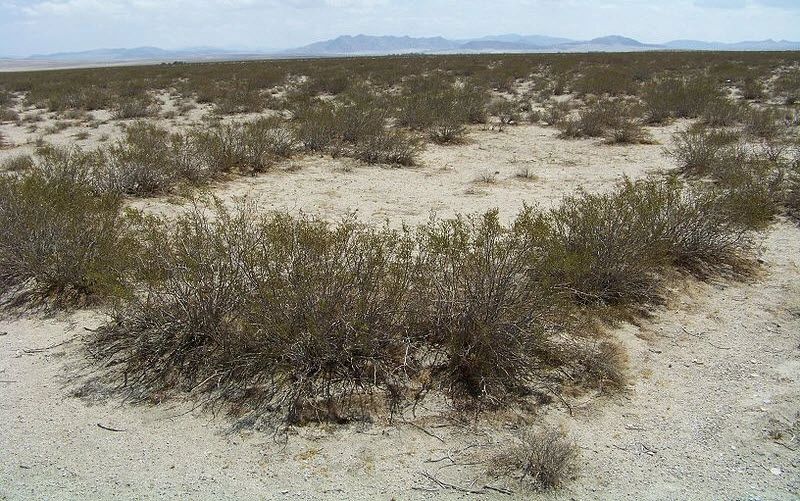
A unique characteristic of Chaparral is its astonishing lifespan. Chaparral grows as a clonal colony, with newer stems emerging from the root crown's periphery. As the older stems perish, newer stems replace them, leading to Chaparral communities that have persisted for millennia. A prime example is the "King Clone" creosote ring in California, believed to be approximately 11,700 years old, earning it the status of one of the Earth's oldest living entities.
Over thousands of years, this bush has created an extensive healing arsenal, consisting of antioxidants, antimicrobial substances, detoxifiers, and anti-tumor agents. These compounds not only enable the plant's survival against potential threats and diseases but also provide therapeutic benefits for humans.
The medicinal virtues of Chaparral have been acknowledged in traditional medicine for ages. Used by many Native American tribes in the Southwest to treat various conditions ranging from respiratory diseases to skin disorders. Chaparral continues to be utilized today. Medicinally, the leaves and flowers are extracted into an oil, extract (tincture) or tea. Used as a steam for respiratory issues and a smudge for clearing negativity. This desert medicine is all highly valued for its antioxidant, antifungal, antibacterial, and anti-inflammatory attributes.
As an oil or in a salve, it can be used externally for a wide range of issues such as burns, cuts, abrasions, fungal infections, mosquito bites, and other blemishes to the skin. It is useful in promoting the healing of minor wounds and some squamous cell skin cancers.
Its properties as an antioxidant and free radical scavenger traditionally is used to help with issues ranging from rheumatism to allergies. Typically used as a weak tea or tincture in a formula as Chaparral is extremely astringent and strong tasting. However it should be avoided with liver disease or while taking pharmaceuticals that strongly affect the liver.
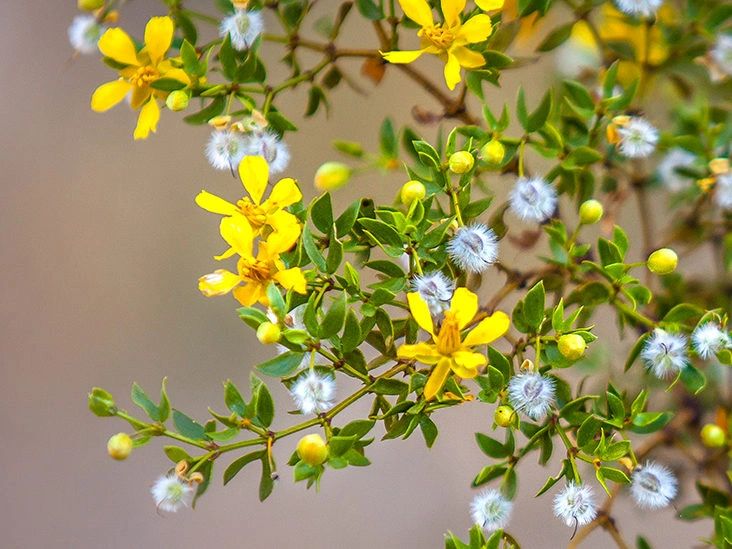
Chaparral carries profound spiritual connotations as well. The flower essence is known for its potent psychic cleansing abilities, particularly for dream-related disturbances. The plant's energy is so potent that it reaches into the depths of the gut, believed to be the residence of negative energies. There it serves as an effective detoxifier of adverse emotions and psychic energies.
The bush has a uniquely fresh, clean scent that reminds many of the smell of the desert after the rain. Using Chaparral as a smudge can help purify and clear a space and hanging a fresh sprig in the shower can welcome a new day. The spiritual affinity many individuals have towards this plant echoes its enduring legacy as a symbol of strength, healing, and resilience.
In our current world, often marked by chaos and uncertainty, Chaparral provides a valuable lesson. This ancient plant has withstood the test of time, weathering the most severe conditions, and still continues to prosper and provide healing. Its story reflects the power of adaptability, resilience, and healing, qualities that resonate deeply in our modern world.